
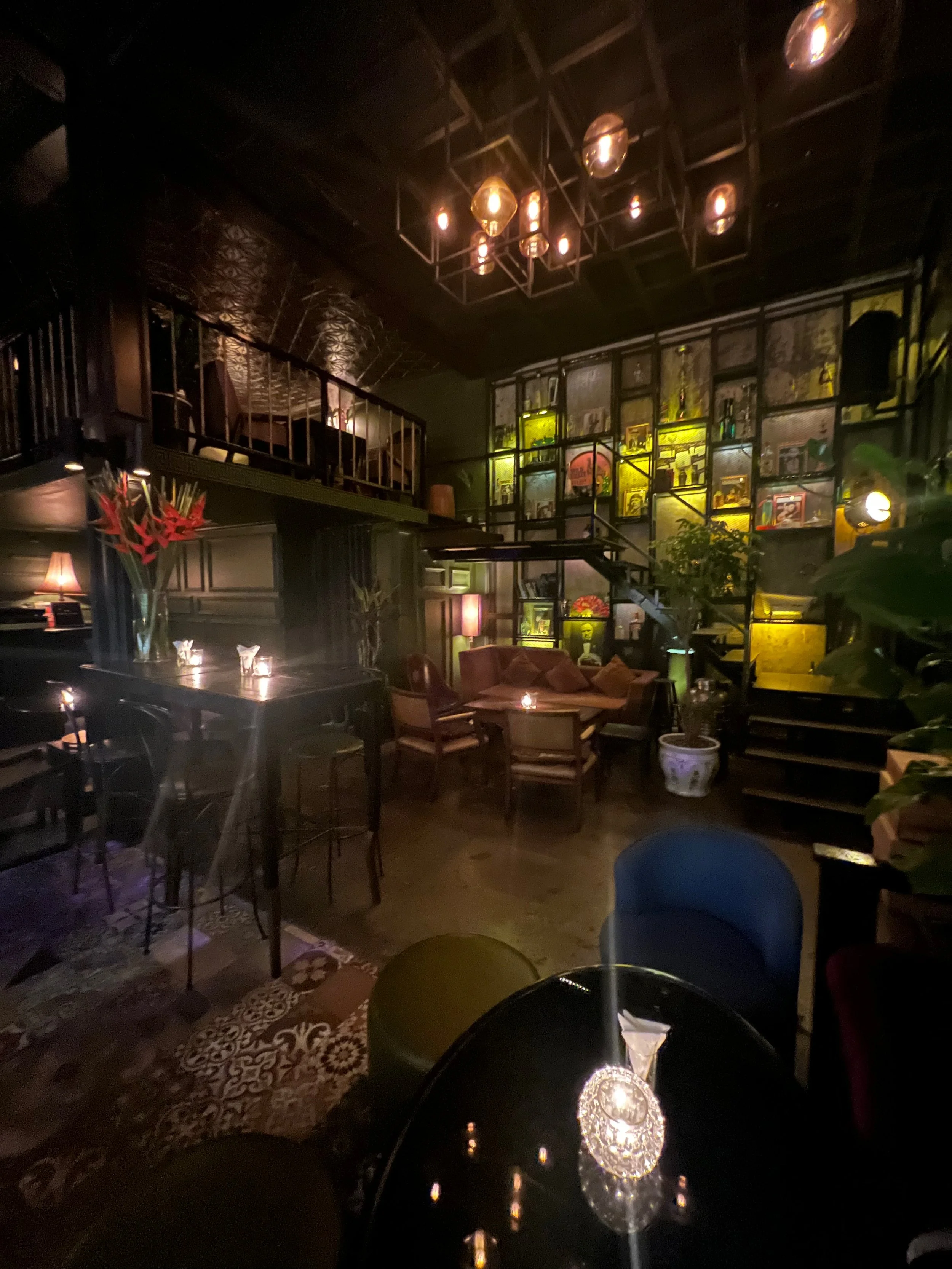
Saigon’s Hidden Speakeasies
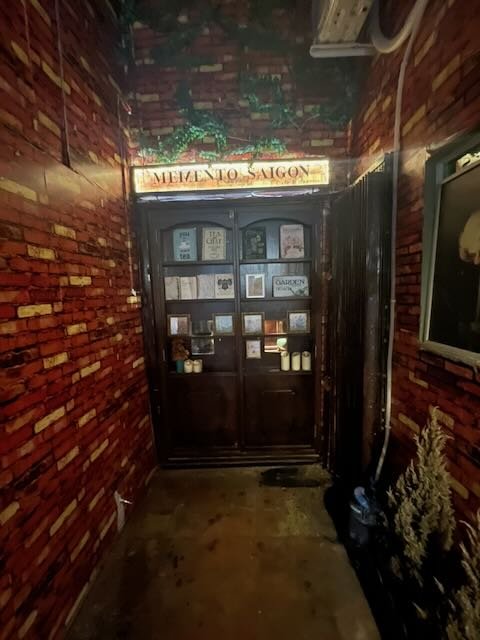
Rust-streaked radiators and exposed wiring share corridors with hand-lettered flyers advertising clandestine nights. Down a narrow hallway that smells faintly of old coffee, a heavy door with no sign conceals a bar whose interior looks straight out of a glamorous 50’s movie — low light, plush velvet sofas, lacquered tables and plenty of dark corners that catch the glow of a single filament bulb.
At 14 Tôn Thất Đạm, in the bustle of District 1, a blocky, concrete slab squats like an architectural memory misplaced from Soviet-era Berlin — austere façades, narrow windows, and a geometry that refuses the tropical light. From the street it reads as neglected and impenetrable, but step past the street vendors and jumble of motorbikes into a stairwell whose sour, unmistakable smell warns you that this is not a place built for glossy selfies.
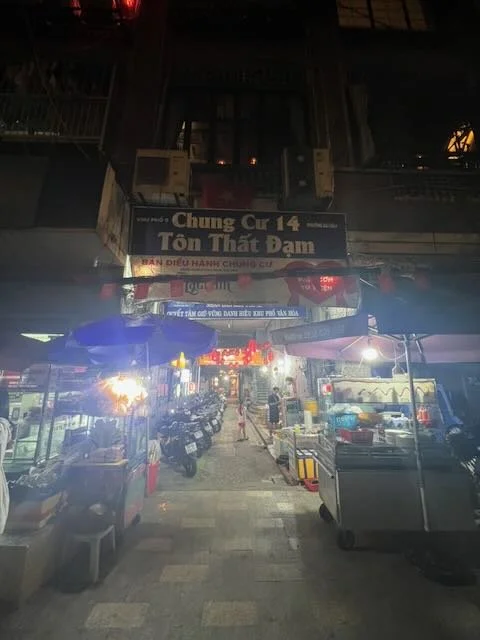
Head up the stairwell, gritty and dim, which gives way to small, improbably intimate spaces. Behind flaking plaster, a clutch of tiny businesses and workshops have colonised spare rooms: a locksmith hunched over a tray of ancient keys, a seamstress whose clipped conversation and needlework fill the air with the scent of cotton and oil. Further up someone has carved a makeshift café into a former storage room — a battered kettle, mismatched cups, and a hand-painted sign that promises strong coffee and a willing ear.
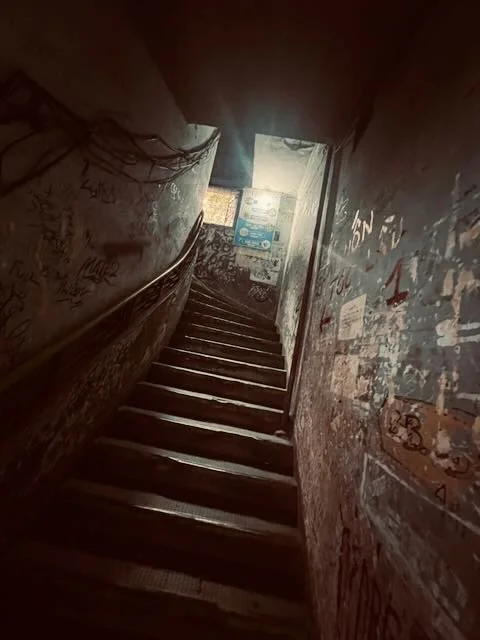
Rust-streaked radiators and exposed wiring share corridors with hand-lettered flyers advertising clandestine nights: password-only jazz sessions, experimental DJ sets, and poetry readings that start after midnight. Down a narrow hallway that smells faintly of old coffee, a heavy door with no sign conceals a bar whose interior looks straight out of a glamorous 50’s movie — low light, plush velvet sofas, lacquered tables and plenty of dark corners that catch the glow of a single filament bulb. Bartenders here are gatekeepers and storytellers, mixing superb cocktails fwith an eclectic mix of local flavours and spirits and presenting them in wooden chests covered in smoke.
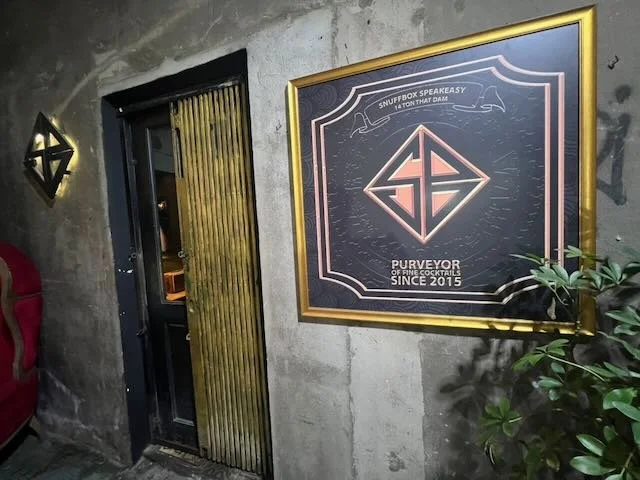
Snuffbox is one of several speakeasies that have become woven into Saigon’s unofficial culture, a counterpoint to the polished rooftop lounges and tourist circuits. Expect a mix of repurposed furniture, cassette tapes, hand-painted menus, and a playlist that feels curated by people who actually live here. Respect the rules — no loud cameras, no entitlement — and you’ll unlock conversations and performances that don’t make it to anyone’s curated feed. In a city that’s constantly reinventing itself, these hidden bars are small, ephemeral communities: the kind of places you discover by wandering with your head up and your phone tucked away.
Bushcraft Camping, Islands, volcanoes and tuna
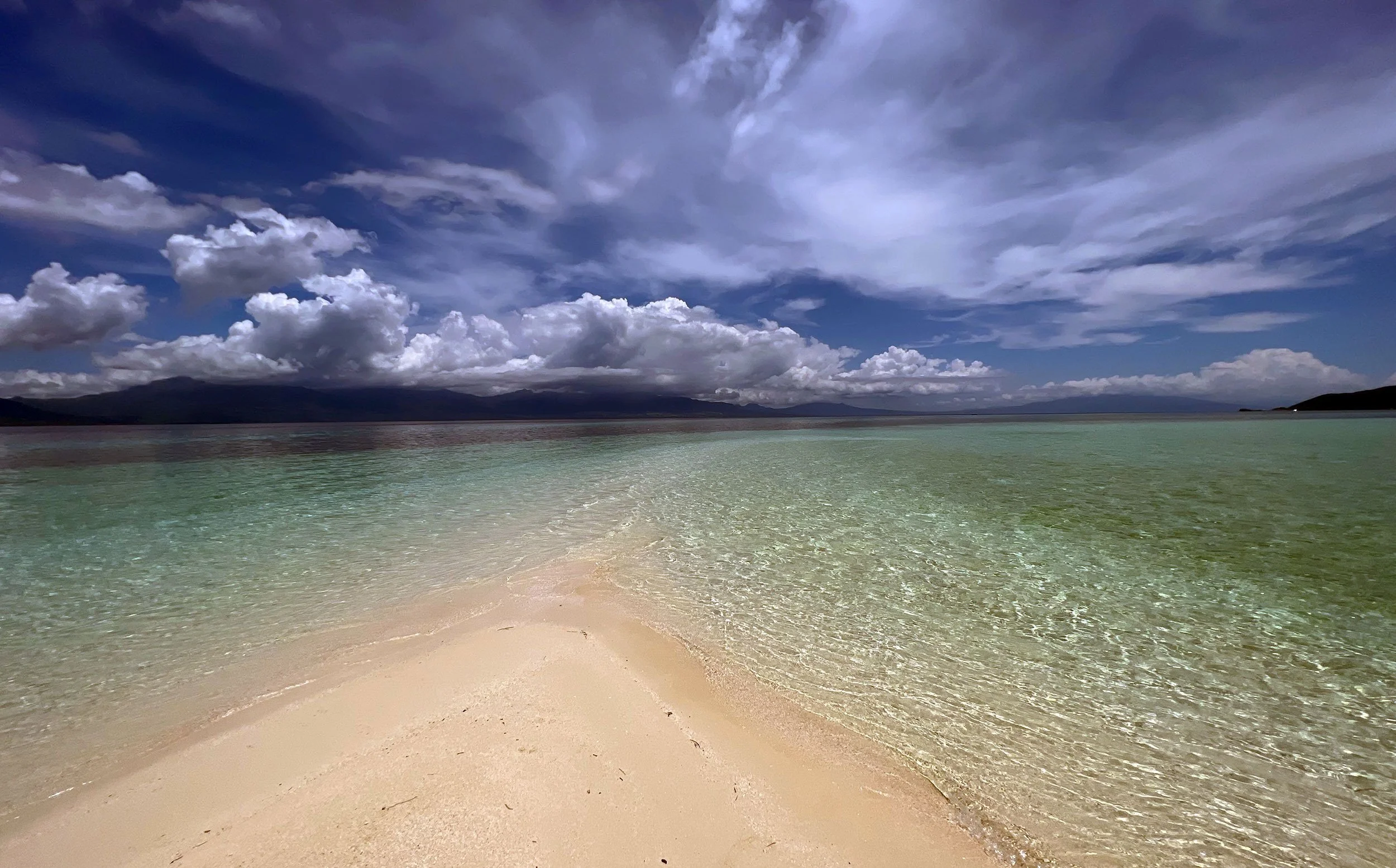
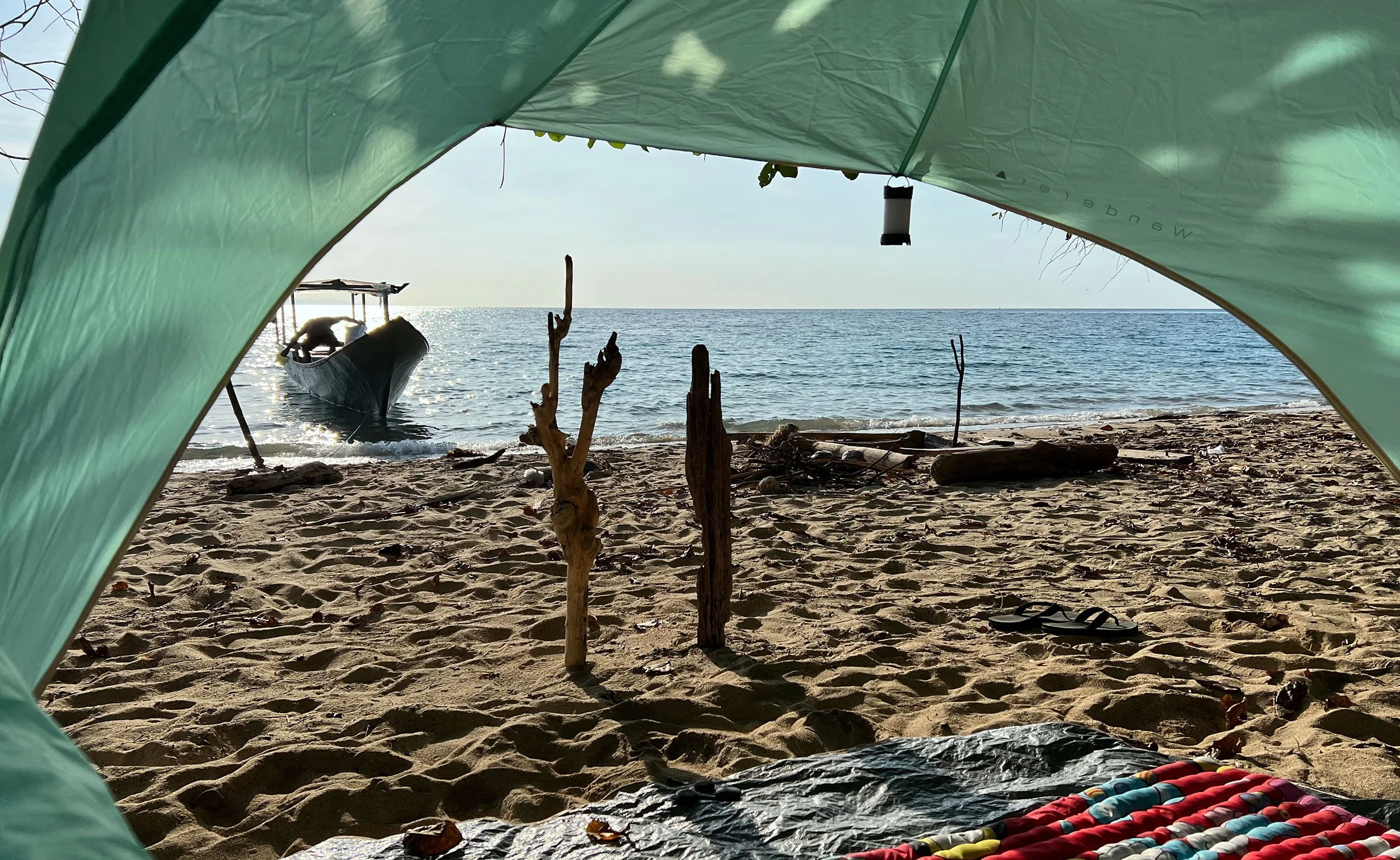
Camping on a deserted island, cooking freshly caught fish on a fire made using only materials found on the beach. Meeting the tuna fishermen of Pemana Island with whom we are about to start an exciting and ground breaking project.
Watch the video!
Camping on a deserted part of stunning Pulau Besar Island, back to nature with hammocks, demonstrating bushcraft skills and starting a community project on Pemana Island, a fishing village 30km offshore in the middle of an ocean teaming with tuna. The villagers catch the fish using the traditional Pole and Line technique, using a bamboo pole and live bait. This is one of the worlds last genuinely sustainable fishing grounds.
We also climb Mount Kelimutu which is a stunning and unspoilt volcano famous for its 3 colour lakes that change colour over time.


Know your Coconut Palm
The Coconut palm is known as the Tree of Life because it provides food, water, nutrition, oil, antiseptic, charcoal and wood to build a house.
Every part of the tree is used, this is how :
The Coconut palm is known as the Tree of Life because it provides food, water, nutrition, oil, antiseptic, charcoal and wood to build a house.
Every part of the tree is used, this is how :

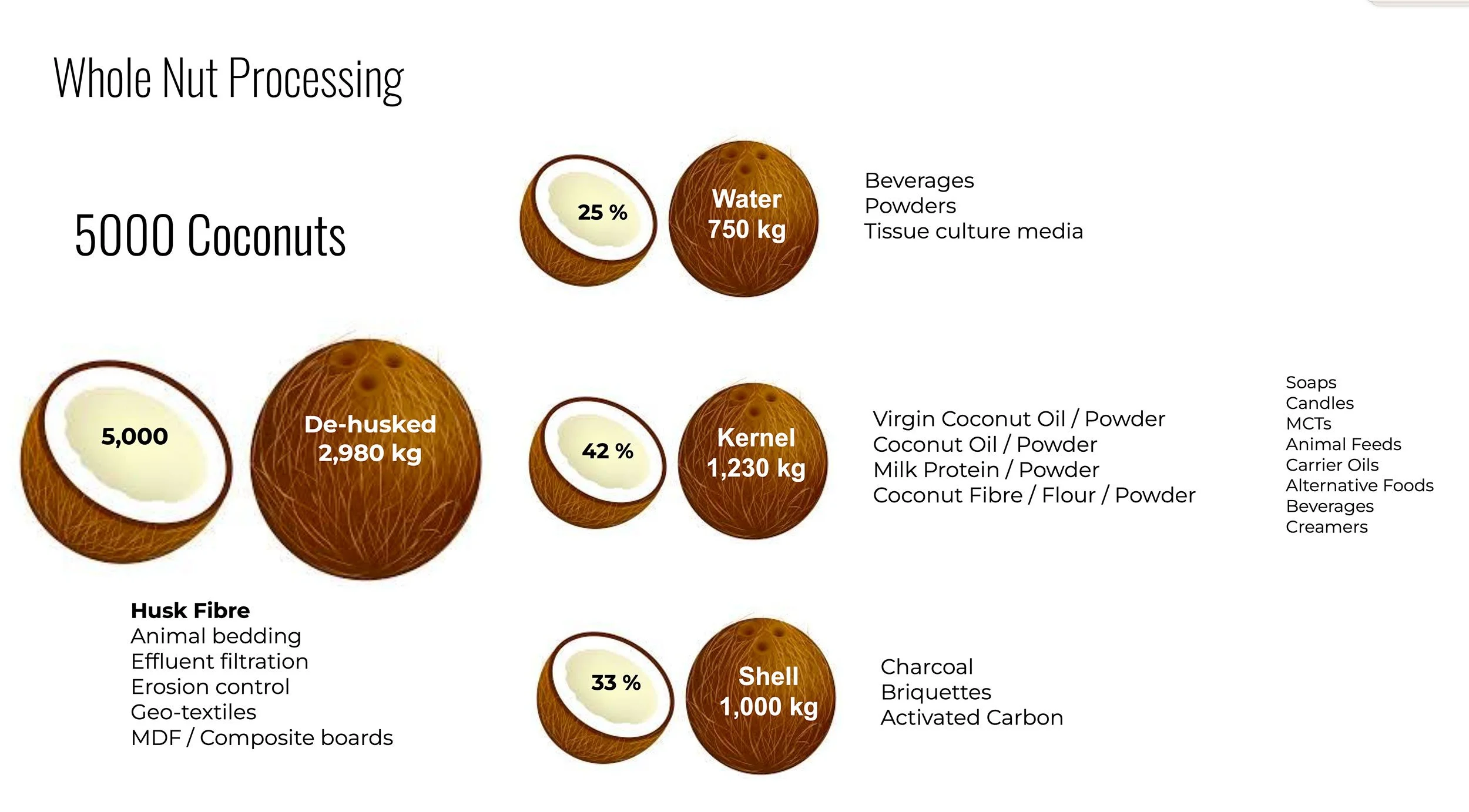
Currently over 70% of the coconuts harvested in Asia are used in the Copra Industry to make low grade crude coconut oil that is mostly shipped to Europe and processed by industrial conglomerates into retail items such as soap, toothpaste, cosmetics etc. 99% of the coconut husk is wasted and left to rot by the side of the road. The coconut Knowledge Centre has been instrumental in constructing over 50 small factories around Indonesia, Solomon Islands and the Philippines that enable the local farmers to get out of the low paying copra business and instead extract high value virgin coconut oil from the nuts. We are currently instigating the use of innovative carbon processing techniques in Flores which will utilise the currently wasted husks to make high grade charcoal that can be used as an efficient smokeless fuel by local villages. This charcoal will replace the current fuel that villages use which is dirty, environmentally unfriendly and carcinogenic.


The Coconut Conundrum
Coconut Palms, the defining image of tropical island life are in danger of extinction. The coconut industry is under stress.
The total amount of coconut growing land on the planet is 12 Million hectares.
60% of the worlds coconuts are in South East Asia and Indonesia alone has 3.4 Million hectares of coconut landscapes.
A systemic decline in productivity, aging trees and farmers, is reaching the point of no return.
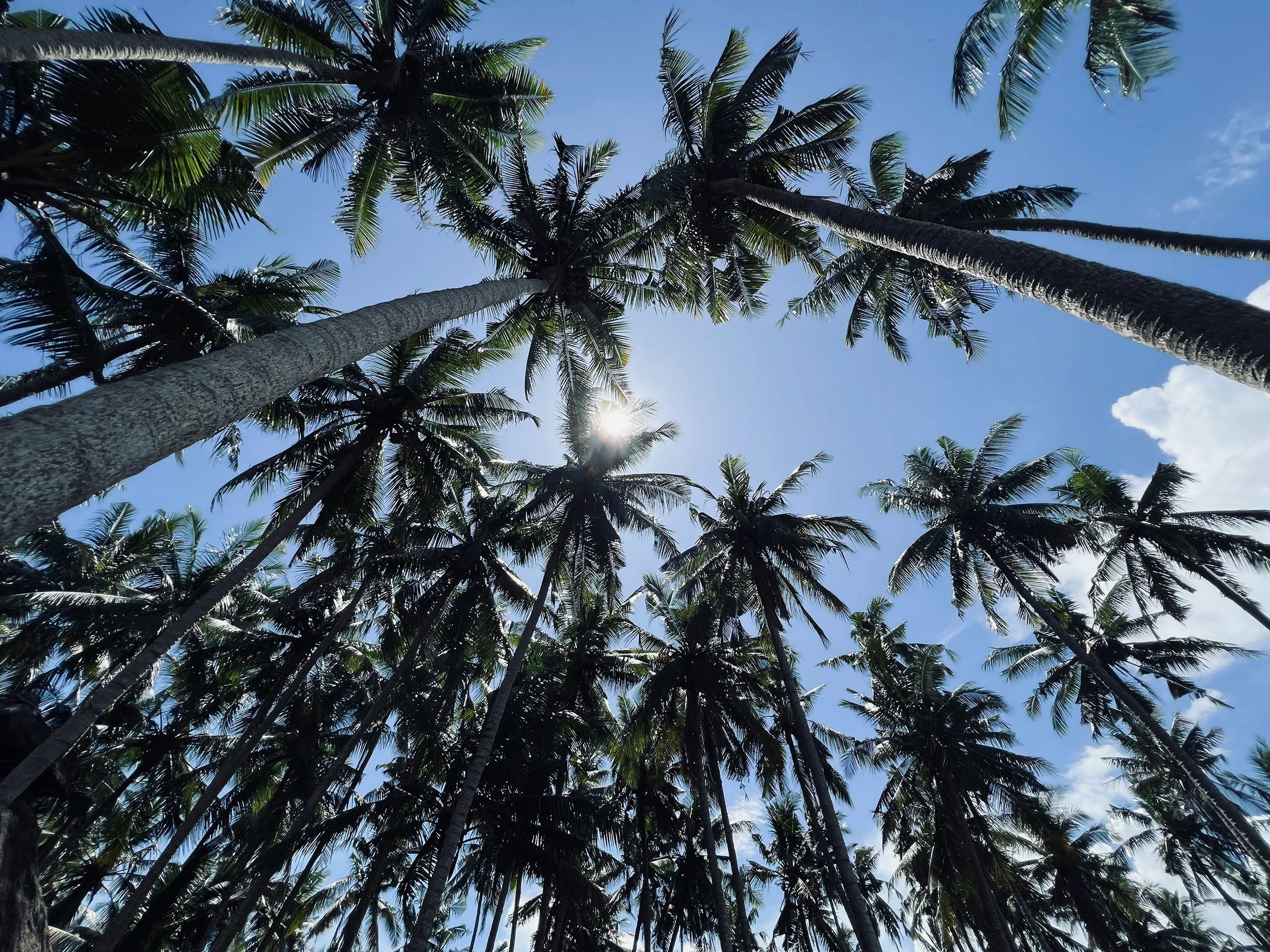
Coconut Palms, the defining image of tropical island life are in danger of extinction. The coconut industry is under stress.
The total amount of coconut growing land on the planet is 12 Million hectares.
60% of the worlds coconuts are in South East Asia and Indonesia alone has 3.4 Million hectares of coconut landscapes.
A systemic decline in productivity, aging trees and farmers, is reaching the point of no return.
Demand for coconut derivatives (including domestic items like soap, cosmetics and toothpaste) has exploded, creating acute supply chain pressures, commodity level price increases and is setting up an inevitable shortage of global supply.
Corporate coconut plantation models are largely absent in Indonesia, leaving the burden of supply with low income smallholders who farm 98% of the worlds coconut. These farmers have little or no incentives to replant because they do not have access to the supply chain for high value products. Instead they mostly make their money from selling Copra, ie the white pulp that is left to dry in the sun and then sold cheaply to factory processors who crush it into a low grade crude oil that is then sent to other factories mostly in Europe for refining into domestic products.

Nangahale Plantation
A new coconut production business model is urgently needed to sustainably service the industry and ensure local farmers have an income and are incentivised to plant new trees. Restless generation is working with RCA Carbon and local landowners the Catholic Church in Maumere and Larantuka in Eastern Flores Indonesia on a new and innovative plantation model. The existing coconut will be processed on site into high grade Virgin Coconut Oil, and the husks will be used to produce clean burning charcoal briquettes, both significantly higher value items than copra.
In addition other crops that grow naturally in the shade of coconut will be planted such as banana, cacao, coffee, cinnamon, candlenut. We will produce banana flour on site which is a gluten free superfood.
This plantation model is called Regenerative Agroforestry and will remove carbon naturally from the atmosphere at two and a half times the rate of natural rainforest. This will enable us to gain certification for selling Carbon Credits and repeat this agroforestry model throughout Indonesia.